
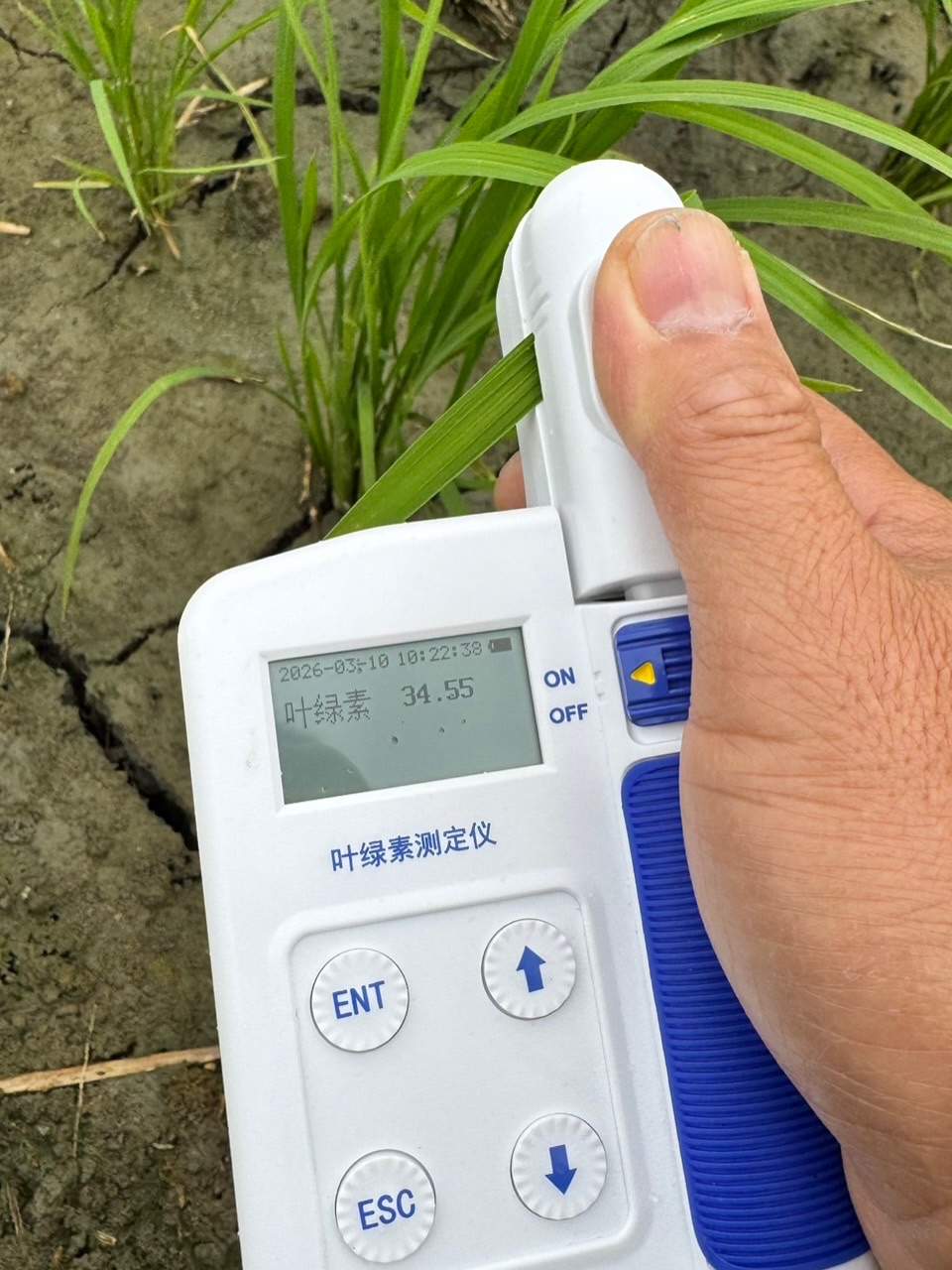
#栽種紀錄 為什麼要測量稻米葉綠素呢?跟酒米有什麼關係?
一期稻作滿月囉!這幾日農家李大哥回傳葉片的葉綠素含量的數值(SPAD meter)」。SPAD值並不是直接測量葉綠素濃度,而是透過葉片對特定波長光線的吸收與透射程度,換算出葉綠素相對含量。
葉綠素值的意義
SPAD值越高,通常代表葉片葉綠素越多,而葉綠素含量又與植株體內的氮素營養密切相關。換句話說,在多數情況下,SPAD值高往往意味著氮源供應充足或偏高。在食用稻米栽培中,農民往往希望葉色濃綠,以確保植株生長旺盛並提高產量。但在酒米(釀造用稻米)的生產中,情況卻有所不同。酒米栽培的目標並非單純追求高產量,而是要獲得適合釀造清酒的米質。其中一個重要指標就是米粒的蛋白質含量。
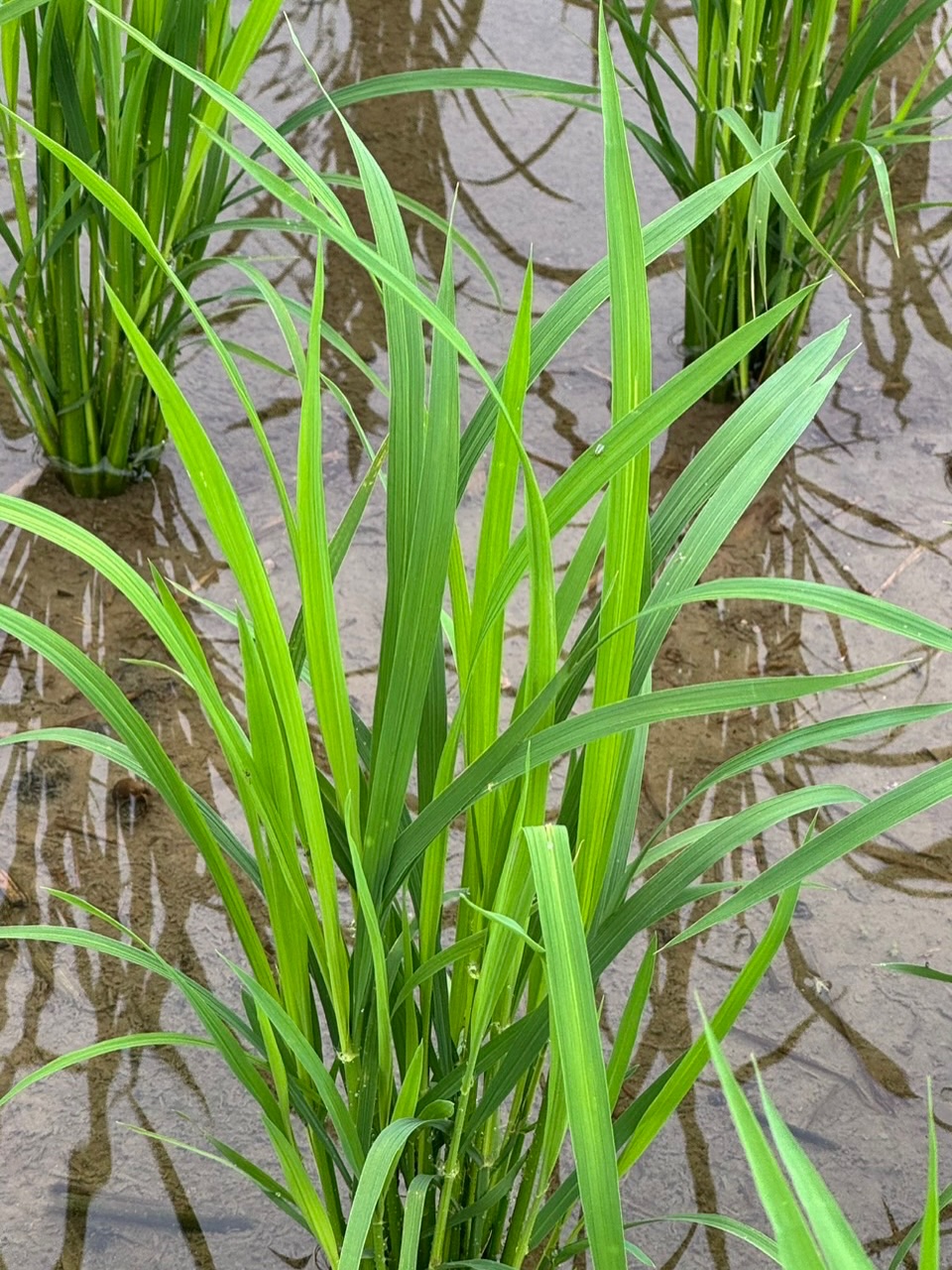
氮肥對稻米的影響
若氮肥施用過多,SPAD值升高,通常會導致米粒蛋白質含量上升。蛋白質在清酒釀造過程中會被分解為胺基酸及其他成分,若蛋白質含量高則容易釀出酒體層次飽滿的酒,如果當下設定是追求純淨的風味,會偏好酒米的粗蛋白含量能控制在較低範圍。
基於這個原因,在日本許多酒米稻農會利用SPAD值作為田間管理的重要指標。甚至有特別研究山田錦 SPAD 曲線的相關研究,透過定期測量葉片葉綠素含量,農民可以即時掌握稻株的氮營養狀態,並調整施肥策略。
透過這種方式,農民能在生長前期確保植株健康發育,同時在後期減少氮素供應,使米粒蛋白質含量下降。這不僅有助於獲得蛋白質較低、心白形成穩定的酒米,也能減少稻株過度生長與倒伏的風險。因此,SPAD值在酒米生產中不僅是一項簡單的葉色測量數據,更是連結田間氮肥管理、米粒成分以及最終清酒品質的重要指標呢。
English Version
Why measure chlorophyll for rice ? What does it have to do with sake rice?
The first season has reached its one-month mark. Recently, farmer Mr. Li shared measurements of leaf chlorophyll content using a SPAD meter. The SPAD value does not directly measure chlorophyll concentration; instead, it estimates the relative chlorophyll content based on how the leaf absorbs and transmits specific wavelengths of light.
A higher SPAD value generally indicates a higher chlorophyll content in the leaf. Since chlorophyll levels are closely related to the plant’s nitrogen status, a high SPAD value often suggests that nitrogen supply is sufficient—or possibly excessive.
In table rice, farmers typically prefer deep green leaves, as this indicates vigorous growth and often leads to higher yields.
However, in the cultivation of sake rice, the objective is quite different. The goal is not simply to maximize yield, but to produce rice with characteristics suitable for sake brewing. One key indicator is the protein content of the rice grain.
When nitrogen fertilizer is applied excessively, SPAD values tend to rise, which usually leads to higher protein content in the rice grain. During sake brewing, proteins are broken down into amino acids and other compounds. Higher protein levels can result in sake with a richer and heavier profile. However, when brewers aim for a clean and refined flavor, they generally prefer sake rice with lower crude protein content.
For this reason, many sake-rice farmers in Japan use SPAD values as an important field management indicator. There are even studies examining the SPAD curve of Yamadanishiki. By regularly measuring leaf chlorophyll levels, farmers can monitor the plant’s nitrogen status and adjust fertilization strategies accordingly.
This approach allows farmers to ensure healthy growth during the early stages, while reducing nitrogen supply later in the season to lower the protein content. This helps produce sake rice with lower protein levels and more stable shinpaku, while also reducing the risk of excessive growth and lodging.
In sake rice production, SPAD values are not just a simple measurement of leaf color. They serve as an important indicator linking nitrogen management in the field, rice grain composition, and ultimately the quality of the sake produced.
原文出處:天衡 台灣清酒之路 The Journey Of Taiwan Sake
